Choose from our wide range of
frames and lenses


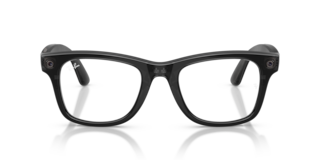
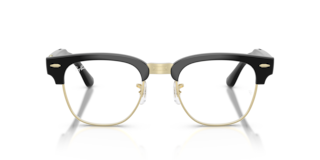
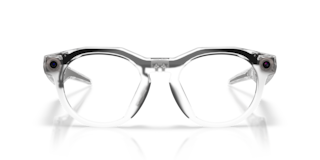






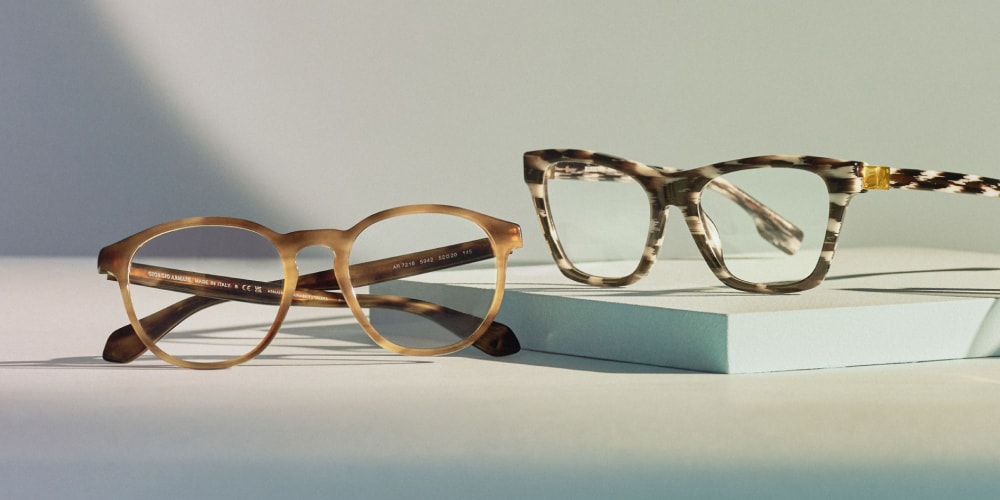
Anti-reflective (AR) coating reduces lens glare, letting up to 99% of light reach your eyes. It decreases eye strain, improves night driving, enhances appearance in photos, and works with various lenses including single-vision, progressive, blue light, and sunglasses. Most users notice clearer, more comfortable vision immediately.
What Is Anti-Reflective Coating?
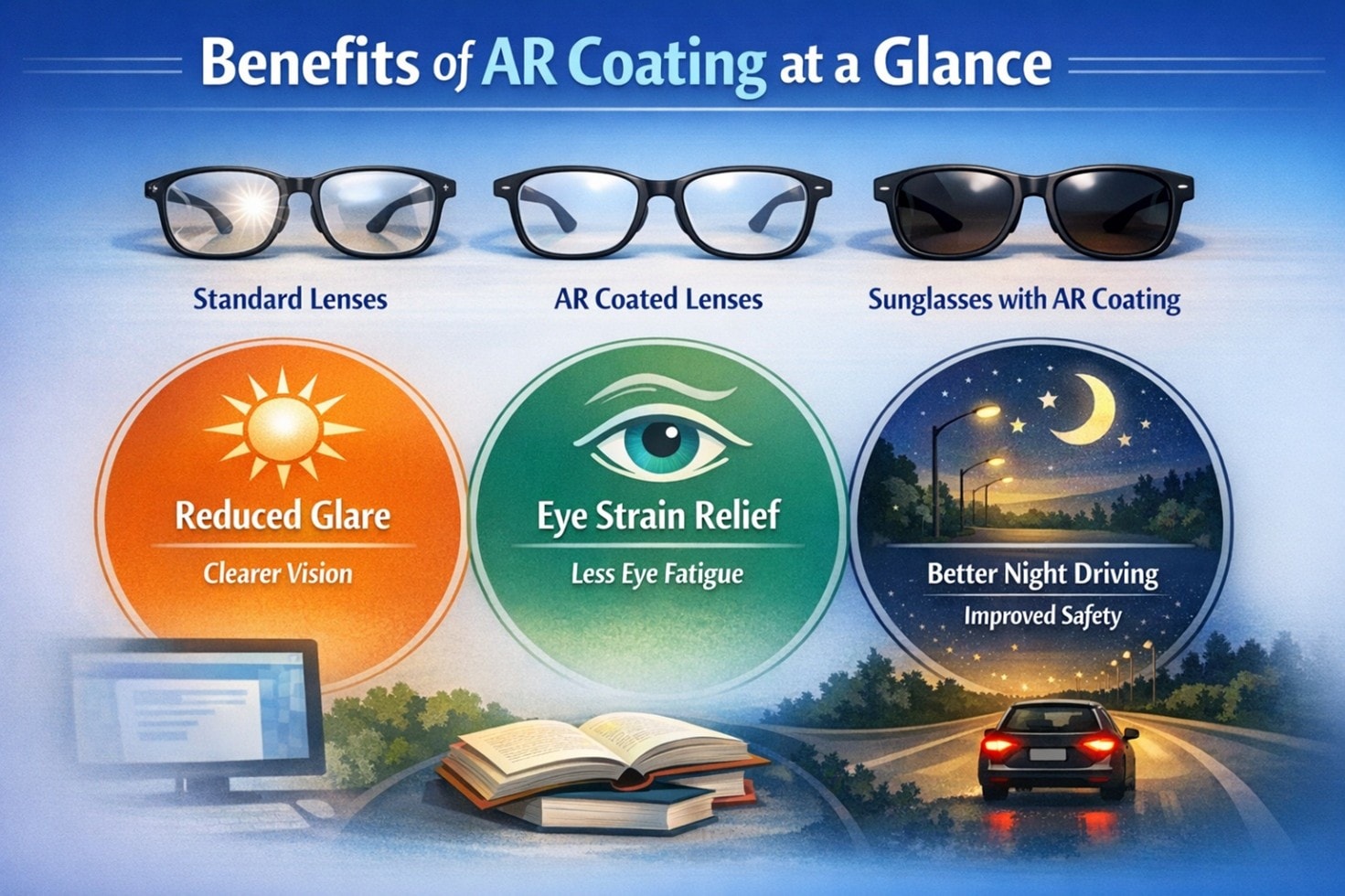
AR coating, also known as anti-glare coating, is a series of ultra-thin layers applied to your lenses. These layers alternate between high and low refractive indexes, reducing reflections and letting more light pass through. Standard plastic lenses reflect ~8% of light; AR-coated lenses allow nearly 99% of light to reach your eyes.
How Anti-Reflective Coating Works
Layer Technology and Lens Tint
AR coatings consist of multiple metal oxide layers. Each layer bends light differently, minimizing reflections. Most AR lenses have a subtle green or blue tint, depending on the brand.
Compatibility With Lens Types
AR coating can be applied to:
- Single-vision lenses
- Progressive lenses
- Blue light-blocking lenses
- Reading lenses
- Photochromic lenses
- Sunglasses
Key Benefits of Anti-Reflective Lenses
AR coating does more than reduce reflections. Here’s how it improves everyday vision and eye comfort:
- Reduces digital eye strain – Essential for long hours on computers and smartphones
- Improves night driving – Cuts glare from headlights and streetlights
- Looks better in photos – Minimizes reflections from flashes
- Enhances appearance – Makes eyes more visible for better eye contact
- Prolongs lens life – Often paired with anti-scratch coating
| Lens Type | AR Coating Benefit | Ideal Use Case |
|---|---|---|
| Single-vision | Increased light | Everyday wear |
| Progressive | Clear vision at all distances | Reading, office, driving |
| Blue light-blocking | Reduces eye fatigue | Screen-heavy environments |
| Sunglasses | Minimizes glare | Outdoor sunlight |
| Photochromic | Clear indoor, dark outdoors | All-day adaptive use |
You may also like
Cleaning and Maintaining Your AR Lenses
Proper care ensures AR coatings last longer:
- Use optician-recommended cleaners
- Avoid harsh chemicals
- Wet lenses before wiping
- Never use a dry cloth on a dry lens
Are Anti-Reflective Lenses Worth It?
While AR coating is an add-on, most users find the benefits justify the cost. Discuss options with your eye doctor to see if AR lenses suit your vision needs and lifestyle.
Practical Tips for Choosing AR Lenses
- Consider high-index lenses for maximum light transmission
- Combine with anti-scratch coating for durability
- Pair with blue light or photochromic lenses for multi-functional protection
FAQ – Anti-Reflective Lenses
Do AR coatings work for all types of glasses?
Yes, they can be applied to single-vision, progressive, blue light, photochromic lenses, and sunglasses.
Can AR coatings reduce eye strain from digital screens?
Absolutely, AR lenses help reduce glare and reflections from screens, easing digital eye strain.
How long does AR coating last?
With proper cleaning and care, AR coatings typically last the lifetime of the lenses, often 1–3 years depending on wear.