Choose from our wide range of
frames and lenses


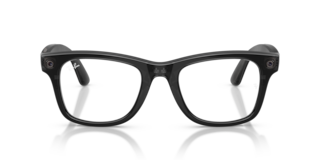
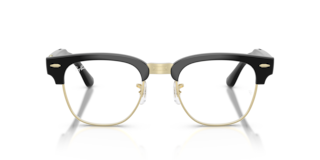
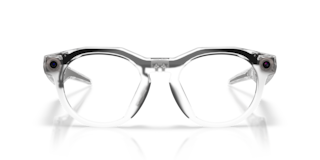
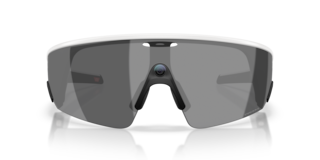










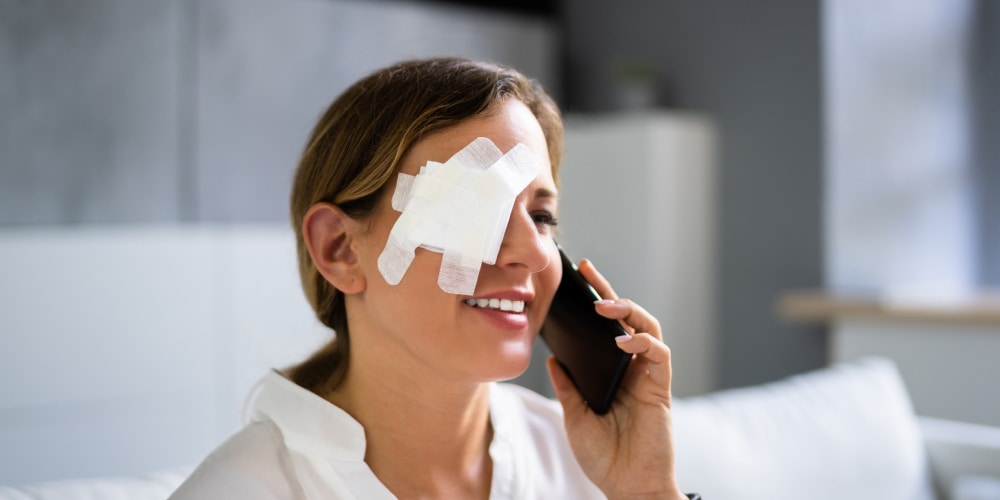
An eye patch is typically worn over the stronger eye to encourage the weaker (amblyopic) eye to develop better vision. Wear time is prescribed by an optometrist — usually 2–6 hours per day for children.
An eye patch may look simple, but wearing one correctly depends on why you need it. Eye patches are commonly used to treat amblyopia (lazy eye), protect an injured eye, or support healing after certain procedures. Your eye doctor will determine whether patching is appropriate and explain how long you should wear it.
This article was reviewed by the Glasses.com editorial team against verified sources including the American Academy of Ophthalmology (AAO), the American Optometric Association (AOA), and peer-reviewed clinical literature.
Why do you wear an eye patch?
An eye patch blocks vision in one eye so the other eye can work harder. The most common reason for eye patching is treating amblyopia, a condition where the brain favors one eye and does not develop normal vision in the weaker eye.
Eye patching may also be recommended for:
- Amblyopia (lazy eye): Covering the stronger eye encourages the brain to use the weaker eye.
- Strabismus: Patching may be part of treatment when the eyes do not align properly.
- Eye protection: A patch may protect an injured eye or help after some eye procedures.
- Vision rehabilitation: Some people may need temporary patching under medical supervision.
Amblyopia is most often diagnosed in children because their visual systems are still developing, but adults can also have amblyopia.
How do you wear an eye patch for amblyopia?
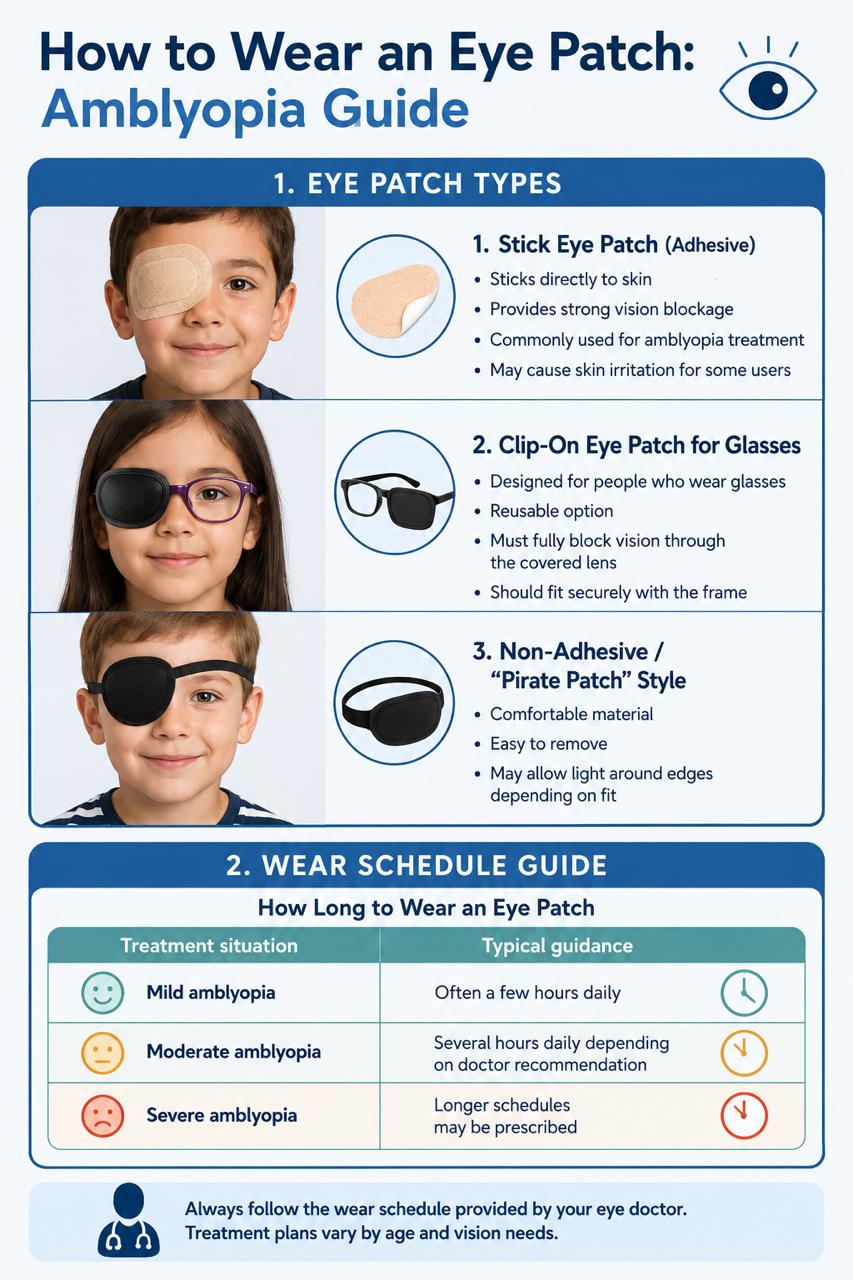
To wear an eye patch for amblyopia, place the patch over the stronger eye so light and vision are blocked. The weaker eye should remain uncovered so it can practice focusing.
Follow these steps:
- Wash and dry the skin around your eye before applying the patch.
- Place the patch directly over the stronger eye.
- Make sure no gaps allow you to see around the edges.
- Wear the patch for the amount of time recommended by your eye doctor.
- Remove the patch gently to avoid irritating the skin.
Children may need encouragement when starting treatment. Choosing a comfortable patch and creating a consistent routine can make wearing an eye patch easier.
You may also like
How long should you wear an eye patch?
The amount of time you should wear an eye patch depends on your age, vision needs, and the severity of amblyopia. Your optometrist or ophthalmologist will recommend the correct schedule.
For many children with amblyopia, doctors may recommend wearing a patch for a few hours each day. More severe cases may require longer treatment periods.
Condition or reason for patching
Typical use
Wear schedule
Amblyopia (lazy eye)
Strengthen the weaker eye
Often 2–6 hours daily for children, based on doctor guidance
Eye injury
Protect the eye while healing
Follow medical instructions
After eye procedure
Support recovery
Follow surgeon instructions
Other vision conditions
Treatment support
Determined by an eye care provider
Do not increase or reduce patching time without speaking with your eye doctor. Too much or too little patching may affect treatment results.
What types of eye patches are available?
The best eye patch depends on your treatment plan, comfort needs, and whether you wear glasses.
Type of eye patch
Benefits
Considerations
Adhesive stick patch
Blocks vision well and stays in place
May irritate skin when removed
Clip-on eye patch for glasses
Reusable and works with prescription eyewear
Must fully block vision through the lens
Non-adhesive cloth patch
Comfortable and easy to remove
May allow some light around the edges
An eye patch glasses clip can be useful for people who already wear prescription glasses. These patches attach to the glasses frame or lens area and cover the affected eye. The patch should block vision completely for treatment to work.
You can learn more about choosing prescription eyewear here: glasses prescription
How can you make wearing an eye patch more comfortable?
A properly fitted eye patch is more likely to stay comfortable throughout the day. Consider these factors:
Choose the right size
Eye patches come in different shapes and sizes. A patch should cover the eye completely without pressing too tightly against the skin.
Consider your glasses
If you wear glasses, choose an eye patch designed to work with your frames. A low-profile patch may reduce rubbing between the patch and your lenses.
Explore prescription eyewear options here: eyeglasses
Protect sensitive skin
Adhesive patches can sometimes irritate skin. Removing them slowly and changing placement slightly each time may help reduce discomfort.
When should you see an eye doctor?
If you notice vision changes, eye misalignment, or difficulty seeing clearly, schedule an eye exam. An eye care provider can diagnose conditions like amblyopia and determine whether patching or another treatment is needed.
Signs that may require an eye exam include:
- One eye drifting or crossing
- Trouble judging distances
- Frequent squinting
- Difficulty focusing with one eye
- Reduced vision in one eye
Your eye doctor can explain how to wear an eye patch correctly and recommend the right treatment plan for your vision needs.
Key Takeaway
- Eye patches are most commonly used to treat amblyopia by encouraging the weaker eye to work harder.
- Wear time depends on your individual treatment plan and should be determined by an eye care provider.
- Adhesive patches, clip-on eye patches, and non-adhesive patches each have different benefits.
- A properly fitted patch should block vision without causing unnecessary discomfort.
- Regular eye exams help identify vision problems early and guide effective treatment.
FAQ
How do you wear an eye patch for a lazy eye?
To wear an eye patch for a lazy eye (amblyopia), cover the stronger eye so the weaker eye is forced to work harder. Place the patch securely over the stronger eye and follow the daily wear schedule recommended by your eye doctor.
How many hours a day should I wear an eye patch?
The number of hours varies based on age, vision needs, and amblyopia severity. Many children wear an eye patch for 2–6 hours per day, but your optometrist or ophthalmologist should determine the correct schedule.
What is the difference between stick patches and clip-on eye patches?
Stick patches attach directly to the skin and usually block vision completely. Clip-on eye patches attach to glasses and can be reused, making them convenient for people who wear prescription eyewear. Both should fully block vision in the stronger eye during treatment.
Can adults wear an eye patch for amblyopia?
Yes. Although amblyopia is most commonly treated during childhood, some adults have amblyopia and may benefit from treatment depending on their eye health and visual history. An eye doctor can recommend appropriate options.
Can I wear glasses with an eye patch?
Yes. People who wear glasses can use specially designed eye patches that attach to glasses frames or cover one lens. The patch should prevent the stronger eye from seeing around or through the covered area.
How long does it take for an eye patch to improve vision?
Improvement time depends on factors such as age, the severity of amblyopia, and how consistently the patch is worn. Regular follow-up visits help your eye doctor monitor progress and adjust treatment if needed.