Choose from our wide range of
frames and lenses


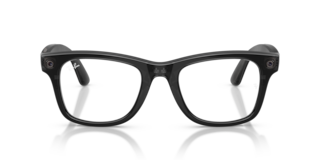
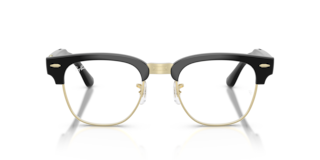
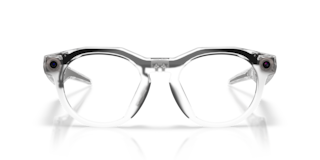
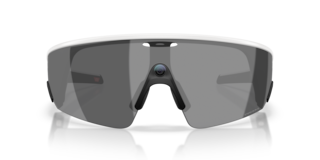







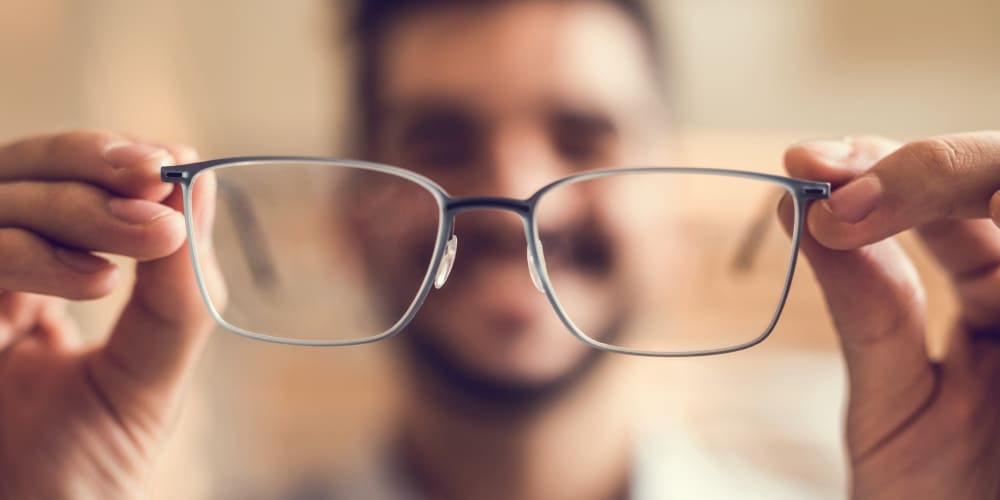
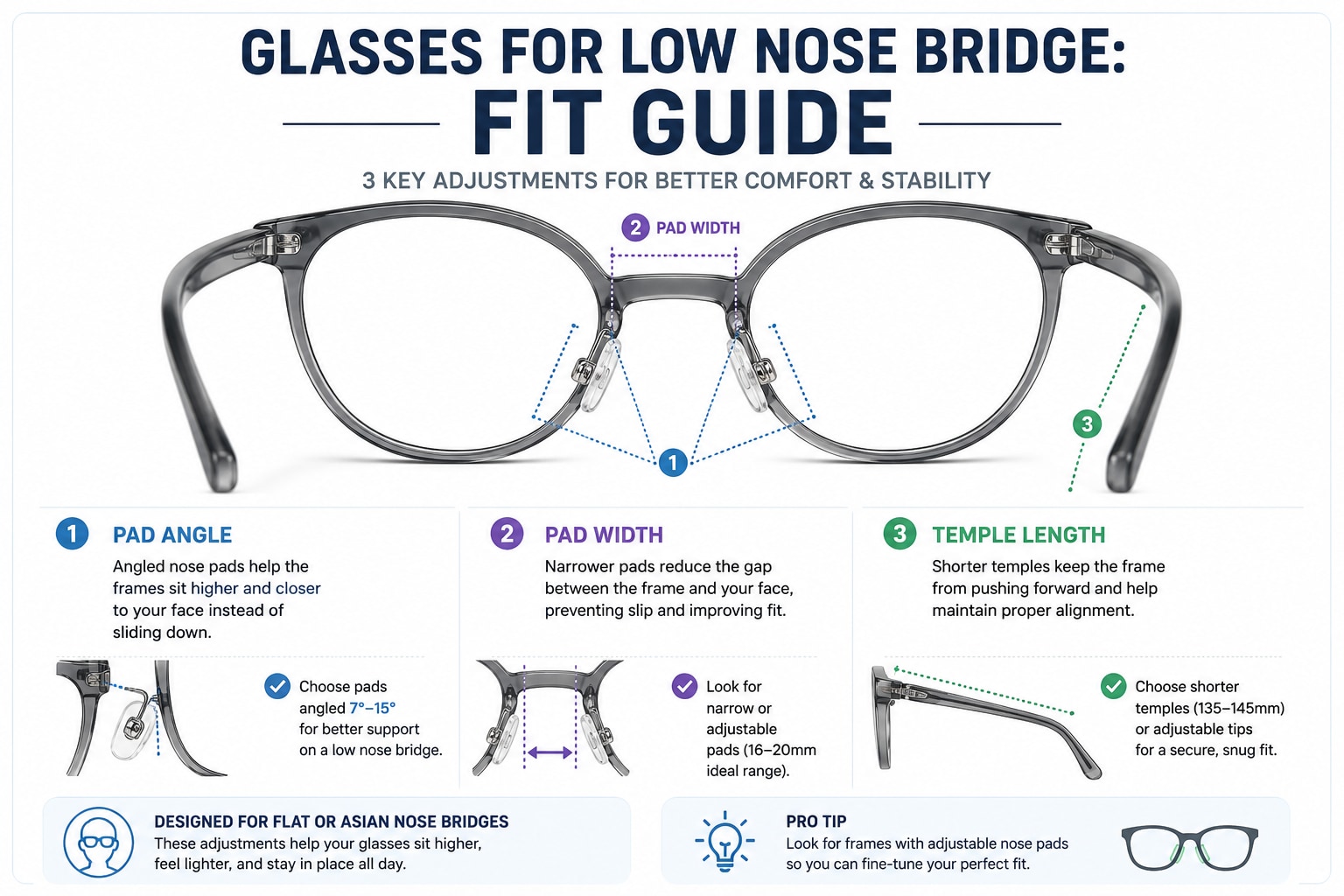
For a low nose bridge, choose glasses labeled low bridge fit or Asian fit, featuring a shallower nose pad angle, wider nose pads, and shorter temple length. Adjustable silicone nose pads can also create a more secure, customized fit.
A great pair of glasses should feel comfortable from the moment you put them on. If your frames constantly slide down your nose, touch your cheeks when you smile, or leave pressure marks, the problem may not be your prescription—it may be the frame fit.
Low nose bridge glasses are designed to solve these common issues. They offer a different frame geometry that helps glasses stay in place while improving comfort throughout the day.
Whether you're shopping for your first pair or replacing frames that never fit quite right, this guide explains what low bridge fit glasses are, who benefits from them, and which features to look for.
This article was reviewed by the Glasses.com editorial team against verified sources including the American Academy of Ophthalmology (AAO), the American Optometric Association (AOA), and peer-reviewed clinical literature.
What are low nose bridge glasses?
Low nose bridge glasses are eyewear designed for people whose nose bridge sits level with or below their pupils. This facial feature is common across many ethnicities and face shapes and is not limited to any one population.
Compared with standard frames, glasses for a low nose bridge have design changes that help the frames sit higher and more securely on the face. These often include:
- Wider or repositioned nose pads
- A shallower nose pad angle
- Slightly shorter temples for improved stability
- More frame tilt to reduce cheek contact
The goal is simple: improve comfort while keeping your glasses properly aligned with your eyes.
You may also like
How do you know if you need low bridge fit glasses?
If you're unsure whether you need low bridge fit glasses, try this quick mirror test.
Stand in front of a mirror while wearing your current glasses.
If the bridge of your nose is at the same height as—or lower than—your pupils, you may benefit from a low bridge fit.
You may also notice these common signs:
- You frequently push your glasses back up.
- Your frames slide down after a few minutes.
- Your lenses touch your cheeks when you smile.
- Your glasses leave uncomfortable marks on your nose.
- Your vision feels inconsistent because the lenses move throughout the day.
These symptoms often indicate that your frames weren't designed for your facial anatomy rather than being the wrong size.
What does low bridge fit mean?
A low bridge fit refers to a frame specifically engineered to sit securely on noses with less bridge height.
You may also see the term Asian fit used by some eyewear brands. While both terms generally describe similar frame features, low bridge fit is now the preferred industry term because it focuses on fit rather than ethnicity. People of many backgrounds may benefit from this frame design.
The biggest difference isn't how the glasses look—it's how they fit.
What features should you look for?
Wider, supportive nose pads
One of the biggest differences is the nose pads.
Rather than resting directly on the slope of the nose, low bridge fit glasses position the pads farther apart so they rest comfortably along the sides of the nose. This distributes weight more evenly and helps reduce slipping.
Frames with adjustable silicone nose pads offer even greater flexibility because an optician can fine-tune the fit.
Better frame angle
Many low bridge fit frames have a slightly different lens angle.
This small adjustment creates additional space between the lenses and your cheeks, making the frames more comfortable when talking, smiling, or laughing.
It also helps keep the optical center of the lenses correctly aligned with your eyes.
Temple arms designed for stability
Temple arms do more than hold your glasses in place.
On many low bridge fit frames, the temples are designed to improve balance across the face so the glasses remain stable during everyday movement.
A secure fit behind the ears also reduces pressure on the nose.
Adjustable nose pads
If you have difficulty finding the perfect fit, adjustable nose pads are one of the most useful features.
They allow your optician to:
- Raise or lower the frame
- Improve grip
- Increase cheek clearance
- Reduce pressure points
- Create a more personalized fit
| Standard Fit | Low Bridge Fit |
|---|---|
| Smaller or higher nose pads | Wider, repositioned nose pads |
| Frames may slide downward | Improved grip and stability |
| Lenses may touch cheeks | Increased cheekbone clearance |
| Standard temple geometry | Shorter or more secure temple fit |
| Designed for average bridge height | Designed for lower bridge height |
What are the best glasses for a flat nose?
There isn't one frame that's best for everyone.
Instead, look for glasses with features that match your face rather than simply following current trends.
Good options include:
- Frames labeled Low Bridge Fit
- Adjustable silicone nose pads
- Lightweight acetate or metal frames
- Medium-width frames that match your face width
- Frames with enough lens height to avoid touching your cheeks
Many modern collections now include low bridge versions of popular frame styles, so you don't have to compromise on appearance to get a better fit.
If you're also choosing frames based on your facial features, this guide can help:
How can you stop glasses from sliding down?
Even the right frame may occasionally need a small adjustment.
Try these tips:
- Choose low bridge fit frames if standard frames slide.
- Ask an optician to adjust your nose pads.
- Ensure your temple arms fit securely behind your ears.
- Keep lenses and nose pads clean to remove skin oils.
- Replace worn nose pads if they become smooth or damaged.
If your glasses continue slipping despite adjustments, the frame may simply not match your facial anatomy.
For more fitting advice:
How to keep glasses from slipping
Where can you buy low nose bridge glasses?
Many major eyewear brands now offer dedicated low bridge fit glasses in both prescription and non-prescription styles.
When browsing online, filter for:
- Low Bridge Fit
- Adjustable nose pads
- Asian Fit (if that's the terminology used by the manufacturer)
Shopping online also makes it easier to compare frame dimensions and use virtual try-on tools before ordering.
Explore the latest collection here:
Frequently Asked Questions
What does low bridge fit mean on glasses?
Low bridge fit glasses are designed for people whose nose bridge sits lower than average. They typically feature repositioned nose pads, increased cheek clearance, and frame geometry that helps reduce slipping while improving comfort.
Which glasses brands offer low nose bridge options?
Many leading eyewear manufacturers now offer dedicated low bridge fit collections, including Ray-Ban, Oakley, Persol, Coach, Burberry, and other premium brands. Availability varies by frame model, so check product specifications for "Low Bridge Fit" or equivalent terminology.
How do I stop low nose bridge glasses from sliding?
Choose properly fitted low bridge frames, keep the nose pads clean, and have an optician adjust the nose pads or temple arms. Adjustable silicone nose pads often provide the most secure fit.
Key Takeaways
- Low bridge fit glasses are designed to reduce slipping and improve comfort for people with lower nose bridges.
- Wider or adjustable nose pads help distribute weight and keep frames securely positioned.
- Increased cheek clearance prevents lenses from touching your face when you smile.
- Frame fit is more important than frame style when choosing glasses for a low nose bridge.
- An optician can often fine-tune adjustable nose pads and temple arms for an even better fit.