Choose from our wide range of
frames and lenses

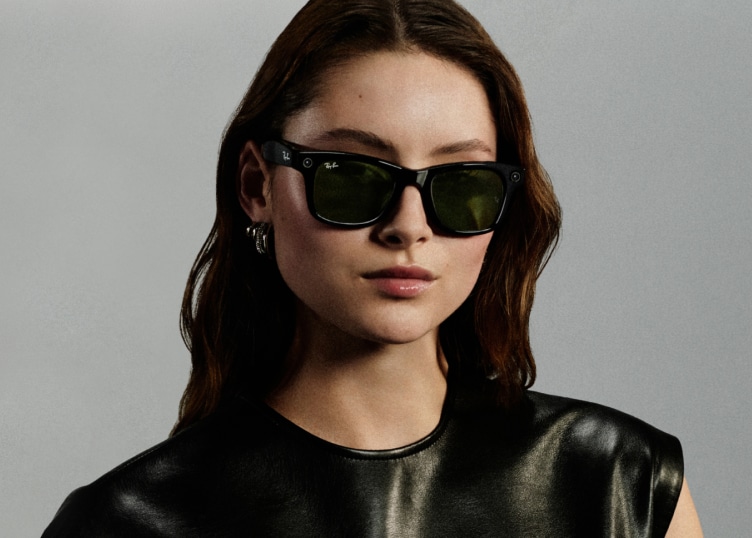
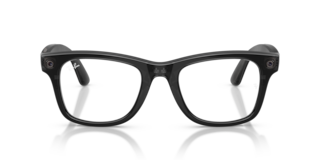
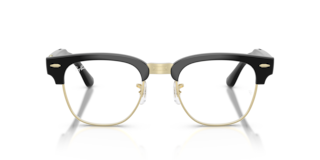
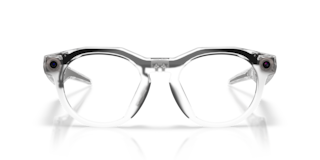
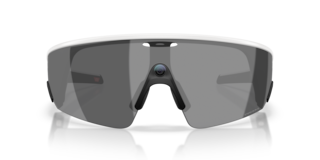




Reader sunglasses (also called bifocal sunglasses or solar readers) combine sun protection with magnification lenses for near vision. Available in OTC magnification strengths (+1.00 to +3.50) and ideal for outdoor reading.
This article was reviewed by the Glasses.com editorial team against verified sources including the American Academy of Ophthalmology (AAO), the American Optometric Association (AOA), and peer-reviewed clinical literature.
What Are Reader Sunglasses Used For?
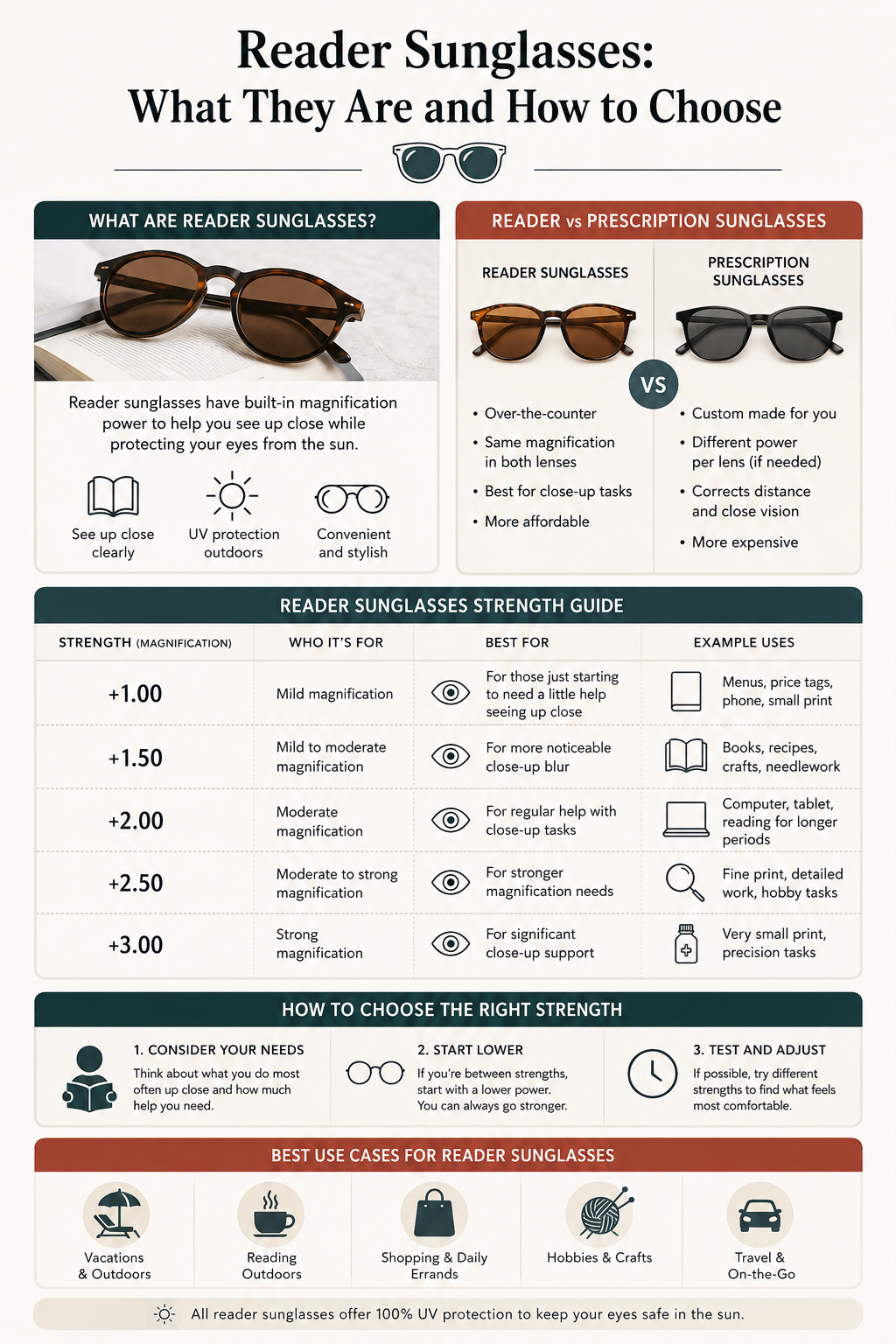
Reader sunglasses let you read books, menus, phone screens, and tickets outdoors without switching between regular sunglasses and reading glasses. They solve the problem of needing both sun protection and vision correction for close-up tasks.
Activities where reader sunglasses shine:
- Reading outdoors at cafes or parks
- Zooming in on phone screens in bright sunlight
- Checking menus, maps, or event tickets outside
- Golf, fishing, or sports where you need to read scorecards or rules
- Driving when you need to glance at GPS or dashboard details
What Is the Difference Between Reader Sunglasses and Bifocal Sunglasses?
Reader sunglasses and bifocal sunglasses are often used interchangeably, but there are subtle differences.
Comparison: Reader Sunglasses vs Bifocal Sunglasses
Feature
Reader Sunglasses
Bifocal Sunglasses
Definition
OTC magnification + UV sun protection
Prescription lenses with two power zones (distance + near)
Magnification
Single strength (+1.00 to +3.50) for near vision only
Two zones: top for distance, bottom for reading
Prescription
No prescription needed (OTC)
Requires prescription from eye doctor
Best For
Outdoor reading, close-ups only
Need both distance vision AND reading correction
Price Range
$15–$60 (affordable)
$100–$400+ (prescription lenses)
Reader sunglasses are OTC (over-the-counter) magnification sunglasses for people who only need help seeing things up close. They're great for someone who sees distance fine but struggles with reading in bright light.
Bifocal sunglasses are custom prescription sunglasses with two distinct lens zones: the top corrects distance vision, the bottom has a magnifying segment for reading. They're for people who need vision correction for both far and near.
Best Reader Sunglasses: What to Look For
When shopping for the best reader sunglasses, prioritize these features:
1. UV400 protection — blocks 100% of UVA and UVB rays
2. Magnification strength — know your reading glasses strength before buying
3. Lens quality — scratch-resistant, polarized options reduce glare
4. Frame fit — should sit comfortably without pinching
5. Style preference — classic aviator, wayfarer, or sport wrap styles
How to Choose Magnification Strength
Reader sunglasses come in standard OTC magnification strengths from +1.00 to +3.50, in 0.25 increments. To find your strength:
• If you wear +1.50 reading glasses, get reader sunglasses in +1.50
• If you're unsure, start with +1.50 or +2.00 as a test
• Stronger isn't better — too high makes reading uncomfortable
Polarized vs Non-Polarized Reader Sunglasses
Polarized reader sunglasses reduce glare from water, roads, and reflective surfaces. They're ideal for driving, fishing, boating, and skiing.
Non-polarized reader sunglasses are lighter and less expensive. They work fine for casual outdoor reading without intense glare.
Reader Sunglasses vs Regular Sunglasses
Aspect
Reader Sunglasses
Regular Sunglasses
Vision Correction
Magnification for near vision only
No magnification
Use Case
Reading outdoors, close-ups
General sun protection
Prescription
OTC (no prescription needed)
OTC or prescription
Price
$15–$60
$20–$400+
Best For
Ages 40+ with presbyopia
Anyone needing sun protection
If you don't need magnification, regular sunglasses are simpler and often cheaper. Reader sunglasses are specifically for people who struggle to read small text in bright light.
You may also like
Frequently Asked Questions
What is the difference between reader sunglasses and bifocal sunglasses?
Reader sunglasses are OTC magnification sunglasses for near vision only (+1.00 to +3.50). Bifocal sunglasses are prescription lenses with two zones: distance correction on top and magnification for reading on the bottom. Reader sunglasses are for people who see distance fine but need help reading up close.
Can reader sunglasses replace prescription sunglasses?
No. Reader sunglasses are OTC magnification for near vision only. They cannot replace prescription sunglasses if you need vision correction for distance. If you need both distance and near correction, get prescription bifocal or progressive sunglasses from an eye doctor.
What magnification strength do I need for reader sunglasses?
Use the same strength as your regular reading glasses. If you wear +1.50 reading glasses, get reader sunglasses in +1.50. If you're unsure, start with +1.50 or +2.00 to test. Stronger magnification isn't better — too high makes reading uncomfortable.
Are reader sunglasses worth buying?
Yes, if you need to read outdoors in bright light. Reader sunglasses eliminate the hassle of switching between regular sunglasses and reading glasses. They're affordable ($15–$60) and perfect for beaches, parks, golf courses, and outdoor events.
Where can I find reading sunglasses near me?
You can find reader sunglasses at optical stores, big-box retailers, Amazon, and Glasses.com. Online shopping lets you filter by magnification strength instantly. For custom prescription bifocal sunglasses, visit an optometrist.
KEY TAKEAWAY
• What they are: Reader sunglasses (bifocal sunglasses/solar readers) combine UV protection with OTC magnification (+1.00 to +3.50) for outdoor reading
• Best for: People 40+ with presbyopia who need to read menus, phones, books outside without switching glasses
• Reader vs bifocal: Reader = OTC magnification only; Bifocal = prescription with distance + near zones
• Strength guide: Match your regular reading glasses strength (+1.50, +2.00, etc.); stronger isn't better
• When to buy: Get reader sunglasses for outdoor reading; get prescription bifocals if you need distance correction too