Choose from our wide range of
frames and lenses

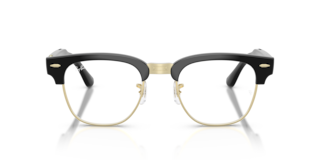
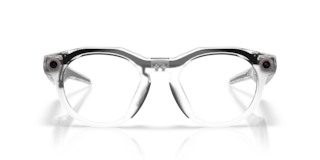
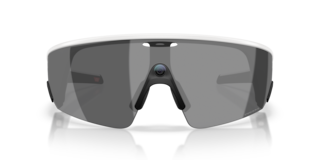





Transition lenses don't have one set price. They're a lens upgrade, added to the frame and prescription you already picked, so what transition lenses cost depends on a few choices you make at checkout. Learn those choices and you can work out your own number, and keep it from climbing higher than it needs to.
An upgrade, not a flat price
You don't buy transition lenses on their own. They're a lens option, like a thinner material or an anti-reflective coating. First you pick a frame. Then you pick your prescription. Then you choose the lens, and "transitions" is one of the choices there. Transition lenses are also called photochromic (light-responsive) lenses. That setup is why two people can buy the same frame and pay very different amounts. One picks everyday Transitions GEN S in a plain single-vision lens (one prescription across the whole lens). The other adds Transitions XTRActive to a high-index progressive. Same frame, very different lens.
What you're actually paying for
The technology is why transitions cost more than a plain clear lens. Photochromic lenses hold dyes that react to ultraviolet (UV) light. Step outside and the UV darkens them. Walk back indoors and they fade clear again. Every Transitions lens also blocks 100% of UVA and UVB rays, indoors and out. [1] So you pay for that adaptive dye. It sits on top of everything a clear lens already needs, which is why a photochromic lens never starts as cheap as a basic clear one.
The Transitions tiers, and who each one suits
Transitions sells a few tiers, and the price tracks what each one does. Knowing them helps you avoid paying for reach you won't use.
Transitions GEN S is the everyday lens. It is clear indoors, darkens outdoors, and adapts to changing light faster than older generations. [3] It suits most wearers, and it sits at the entry of the range. GEN S also comes in a range of lens colors, so the everyday tier doesn't mean a plain one.
Transitions XTRActive is the bright-light tier. It is extra dark outdoors, and it even darkens in the car, where ordinary photochromic lenses stay clear. It is the only photochromic lens that reaches a category 3 tint, the same darkness as sunglasses, in hot weather. [2] You pay more for that extra reach.
Transitions XTRActive Polarized adds a polarizing filter on top. That filter cuts the glare bouncing off roads, water and car hoods. It is the step above plain XTRActive, and it is priced that way. Each tier up adds darkness, glare control or both, and the lens price rises to match.
The choices that drive the cost
You control the price more than it first seems. A handful of choices move it, and each one holds true even as prices change. Here is what each does to your total.
| Your choice | What it does to the price |
|---|---|
| Transitions tier | Everyday GEN S sits at the entry; XTRActive and XTRActive Polarized cost more for extra darkness and glare control |
| Lens material | Standard plastic is the base; polycarbonate and high-index (1.67, 1.74) cost more, and matter most for stronger prescriptions |
| Lens design | Single-vision is the base; a progressive (three prescriptions blended into one lens) is a bigger step up |
| Coatings | Anti-reflective and premium scratch-resistant coatings add to the lens |
| Frame | The frame is billed separately, on top of whatever lens you build |
You may also like
Lens design is usually the biggest lever. A progressive blends distance, middle and reading zones into one lens, so it adds the most. Material is the next lever. A strong prescription needs high-index lens material to stay thin and light, and that costs more than standard plastic. The stronger your prescription, the more you feel it. A high power in standard plastic turns into a thick, heavy lens, and high-index material trims that bulk. Add photochromic to high-index and you're paying for both upgrades at once. You'll pick your frame from our full eyeglasses range. That frame is billed on its own, on top of the lens.
Where the price climbs fastest
Stack the premium choices and you hit the top of the range. The priciest transition lens is usually a progressive lens in a high-index material, built with Transitions XTRActive. XTRActive goes darker in the car than any other photochromic lens, and it reaches sunglass-level darkness in hot weather. [2] The car part matters. Ordinary photochromic lenses barely darken while you drive, since car glass filters out most of the UV they react to. XTRActive darkens behind the glass anyway, because it also reacts to visible light, not UV alone. [2] At the other end sits a plain single-vision lens with everyday GEN S. The gap between those two builds is real, and the lens builder shows it in dollars as you switch each option on or off. Both cost more than the same lens with no photochromic upgrade.
Is the transitions upgrade worth the extra?
Often, yes, for one simple reason. One pair of transitions works indoors and out. You carry a single pair instead of clear glasses plus a separate pair of prescription sunglasses. For many wearers, that convenience is the whole point, and it is why the upgrade earns its place. Think of a morning that starts indoors, crosses a bright parking lot, then ends at a desk. One pair handles all three without a swap.
There are real limits worth knowing before you spend. Transitions are clear indoors by design, so they won't act as sunglasses at your desk. They also need UV to darken, which is why standard tiers stay light in the car unless you choose XTRActive. [2] If you drive into low sun for hours, prescription sunglasses with a polarized lens remain the better tool for that job. Weigh the one-pair convenience against how you really spend your days.
How to find your real number, and make it count
You won't see your exact price until you build the pair you want. On our transitions lenses page you pick the tier, material and design. The current price updates as you go. Two moves keep the upgrade kind to your budget. First, vision insurance, plus FSA or HSA funds, often covers part of a lens upgrade. Check what your plan allows, and see what your vision benefits cover. Second, match the tier to your life. Don't just default to the priciest one. Everyday GEN S adapts to changing light faster than older generations, and it suits most wearers. [3] XTRActive earns its premium if you drive a lot or struggle in bright light. Build the pair that fits your eyes and your days, and let the page show you the number.
Sources
[1] Transitions Optical — Transitions lenses darken outdoors and return to clear indoors, and block 100% of UVA and UVB rays indoors and out (transitions.com).
[2] Transitions Optical — Transitions XTRActive new generation: darkest photochromic lens for in-car use, and the only photochromic lens to reach a category 3 level of darkness, the same as sunglasses, in hot temperatures (transitions.com).
[3] Transitions Optical — GEN S, the everyday Transitions lens, delivers faster light adaptation for everyday wear (transitions.com).
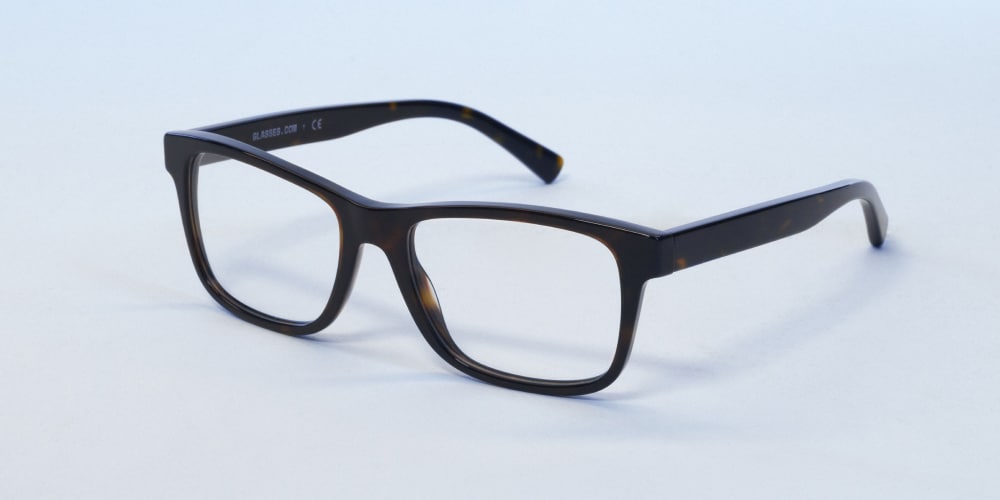

If you think you need new glasses, you may be right. Timing typically depends on changes in your vision, eye health, lifestyle, or style preferences. Increased wear and tear on your frames and lenses can also result in the need for a new pair.
The best way to know it’s time for new glasses is to see your eye doctor each year for a comprehensive eye exam . They’ll check your vision and eye health and ensure your vision prescription is up to date. If you experience any symptoms or issues between routine exams, don’t hesitate to schedule an earlier appointment — they could indicate other health issues.
Read on to learn some common signs that you may need new glasses.
Blurry Vision
You wear glasses to see clearly at various distances, such as for up close activities like looking at your phone, at arm’s length for working on a computer, or far away activities like driving. If your vision is blurry at any distance while wearing your glasses, it may be time for a new prescription.
Blurry vision can be caused by conditions such as:
- Nearsightedness (myopia) – Trouble seeing clearly far away
- Farsightedness (hyperopia) – Blurry vision up close
- Astigmatism – Blurry vision at all distances
- Presbyopia – Farsightedness that usually starts around age 40 and is a natural part of aging
Frequent Headaches
Headaches can also be a sign that you need new glasses. An expired prescription can give you a headache because your eyes have to work harder so you can see clearly.
Headaches also can be caused by other vision problems like eye strain.
Squinting
If you’re squinting to bring things into focus while wearing your glasses, your prescription may need some fine-tuning
Frequent squinting can cause headaches. It can even make age-related wrinkles around your eyes and forehead appear more quickly.
Double Vision
Double vision, also called diplopia, can result when the eyes are not correctly aligned. It can also be a sign of other serious eye or health problems.
Double vision caused by misaligned eyes can often be treated with glasses. Your eye doctor may be able to prescribe prism correction in the lenses, which can bend and redirect light before it reaches the eye. This focuses light on the right spot on the retina so you see one image from both eyes instead of two.
You may also like
Light Sensitivity
Light sensitivity, also called photophobia, is when exposure to bright light can feel uncomfortable or even painful.
Astigmatism is one reason your eyes might be sensitive to light and could be a sign that you need a new glasses prescription.
It often takes the eyes longer to adjust from light to dark environments and vice versa as people age. If this is true for you, consider Transitions lenses. They automatically darken when exposed to bright light and fade back to clear indoors to make this transition more comfortable for your eyes
Poor Night Vision
Poor night vision can arise from several different causes. For example, seeing halos around lights could indicate astigmatism, which might suggest the need for a new glasses prescription. It’s also common to have trouble seeing at night as you age.
Glasses with anti-reflective lenses can help you see better at night. These lenses help prevent glare and reflections from reaching your eyes. They can also reduce starbursts, halos, and other visual distractions for safer night driving.
Overdue for an Eye Exam
If it’s been more than a year since you had an eye exam, consider making an appointment with your eye doctor.
Your vision can change over time, and regular eye exams are essential to monitor these changes and ensure your prescription is up to date. During your exam, your eye doctor will test your vision and look for eye health problems.
Eye care professionals generally recommend getting an eye exam once per year. You may need to go more often based on your age, medical history, and if you wear glasses or contact lenses. Your eye doctor can help determine how often you need new glasses based on any changes in your eye prescription.
Lens and/or Frame Damage
Regular wear can damage your lenses and frames in the following ways:
- Lenses can get scratched and the coating can be damaged. This can make them hard to clean and to see through clearly.
- Frames can become bent, broken, loose, or worn out. It’s hard to see comfortably if your frame doesn’t fit you well.
A New Job
You might need new glasses for a new job. For example, if you’ll be using a computer for several hours a day, you might want anti-reflective lenses to help keep your eyes comfortable.
If you’ll be spending a lot of time outside, consider prescription sunglasses with polarized lenses . These lenses reduce glare from the sun to enhance your visual comfort outdoors.
Lens Upgrade
Eyeglass lenses continually advance to give wearers the best possible vision. New lenses may be able to help you see more clearly and comfortably.
Style Update
It’s not necessary to have a new prescription or damaged glasses to get a new pair. Treat yourself to those designer frames you’ve had your eye on or invest in higher-quality lenses. New eyeglasses can improve your vision and give your self-confidence a boost.
When it comes to style, there are no rules around how often you should get new glasses. You can switch up your look with new frames as often as you change your outfits if you prefer!
If it’s time for new glasses, we’ve got you covered. We have an extensive selection of frames and lenses to help you see clearly and look great.