Choose from our wide range of
frames and lenses

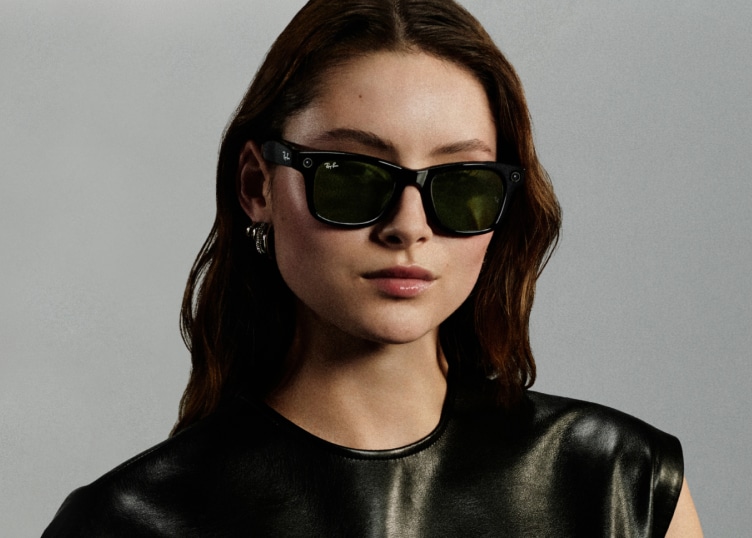
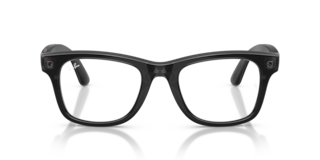
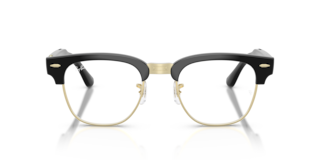
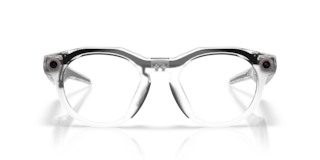


The camera, the speakers and Meta AI get all the attention. But a common question about Ray-Ban Meta is a quieter one. Can you get them in your prescription? You can. Ray-Ban Meta works as real prescription eyewear, and building a pair for your eyes is simpler than most people expect.
Can you get Ray-Ban Meta with prescription lenses?
Yes. Ray-Ban Meta is made to take prescription lenses. So the glasses that shoot video and answer your questions can also be the ones you see through all day. You order them like any pair, then add the lenses your eyes need.
It helps to know what you are buying. These are AI glasses. The built-in camera shoots 3K Ultra HD video and can capture up to 60 frames per second in ultrawide HDR (high dynamic range). Open-ear speakers sit near your ears and leave them uncovered. Meta AI is the voice assistant you reach by saying "Hey Meta." [1] They also translate live across six languages, and that keeps working in airplane mode once you download the language packs. [1]
Day to day, the draw is hands-free. You can grab a photo or a clip without reaching for your phone. The open-ear audio lets you take a call or play a podcast while you still hear the street around you. [1] Ray-Ban Meta is the best-selling AI glasses line in the world, with millions of pairs sold. [1] A prescription pair just means you get all of that plus clear sight.
One point is worth clearing up first. The standard Ray-Ban Meta (Gen 2) has no screen in the lens. The heads-up display you may have read about is a separate Meta product. Here, the lens is just a lens. That is exactly why your Ray-Ban Meta prescription drops straight into the frame.
How to order prescription Ray-Ban Meta
The order flow for prescription Ray-Ban Meta works like any glasses order on Glasses.com. A couple of smart-glasses steps are worth flagging. First, have two things ready: a current prescription and your pupillary distance (PD). Your PD is the gap in millimeters between the centers of your pupils.
- Check that your prescription is current. Most are valid for one to two years, depending on your state and provider. Dig out your latest one, or book an eye exam if it has lapsed.
- Pick your frame style and size. Gen 2 comes in the Wayfarer, Skyler and Headliner shapes. [1] Fit matters more here than with ordinary frames. Choose a size that sits level and snug.
- Choose your lens type. Clear single-vision, Transitions or polarized. More on each below.
- Enter your prescription. Upload a photo of your prescription (Rx) or type the values. Add your PD so the lens centers line up with your pupils.
- Apply your benefits. Add vision insurance or FSA (flexible spending account) dollars before you check out.
Your prescription itself is easy to read. Three values do most of the work. Sphere (SPH) sets the main power for near- or far-sightedness. Cylinder (CYL) and axis cover astigmatism, if you have it. Your PD may sit on the same sheet, or you can ask your eye doctor for it.
If your correction is on the strong side, check your numbers against Meta's supported prescription range before you order. [2]
Your lens options, from clear to Transitions
At Glasses.com, Ray-Ban Meta prescription lenses come in a few types. The right one depends on where you will wear them. Clear single-vision lenses are the everyday default. Transitions lenses are photochromic, or light-responsive. They darken in UV (ultraviolet) light outside and clear up again inside. One pair then covers a walk-and-work day. Polarized lenses are the prescription-sunglasses route. They cut the harsh glare off water, roads and car hoods, and they filter UV rays.
| Lens type | What it does | Best for |
|---|---|---|
| Clear single-vision | One correction, full clarity indoors and out | Everyday wear, screen time, evenings |
| Transitions (light-responsive) | Darkens in UV light, clears indoors | One pair for inside and outside |
| Polarized | Cuts glare, filters UV rays | Driving, the beach, bright commutes |
You may also like
Transitions respond to UV light, not to how bright a scene looks. A car windshield screens out most UV. So Transitions stay mostly clear while you drive, and polarized lenses do the better job behind the wheel.
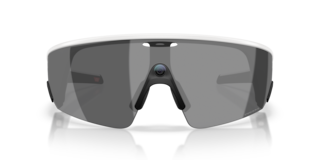
For a sportier wrap, Meta AI glasses also come in Oakley styles, and they take prescription lenses the same way. The lens choices and the ordering steps are the same whichever frame you pick.
What to know before you buy
A few checks save you a return. Start with your prescription strength. Very high powers or special lens designs may fall outside what the frame supports. Match your Rx to Meta's published range first. [2] Get your PD right too. An off number pushes the lens center away from your pupil, and that can leave the edges looking soft.
Comfort is worth a thought too. The arms are a little thicker than on classic Ray-Bans. A size that grips lightly at the temples keeps the speakers aimed at your ears. If you wear your glasses all day, that fit matters as much as the lens.
Set your expectations on the tech as well. A full charge lasts up to eight hours of typical use. The charging case adds another 48 hours. A 20-minute top-up gets you to about 50 percent. [1] Conversation focus is a newer feature. It uses the open-ear speakers to lift the voice in front of you above background noise, and it arrives as a software update rather than switched on out of the box. [1] None of this changes your vision. But it shapes how often you reach for the pair.
Using your vision benefits on Ray-Ban Meta
Smart glasses are still glasses to your plan, so your vision benefits often apply. We accept most in and out-of-network vision plans. Those include EyeMed, Davis Vision and Superior Vision. You can also submit out-of-network claims for plans like VSP, MetLife and UnitedHealthcare Vision. FSA and HSA (health savings account) dollars usually cover prescription eyewear too, which is a smart way to spend benefits before they expire at year-end. Coverage varies by plan, so check what yours includes first.
Is your prescription out of date? Book an eye exam, then come back and build your pair. When you are ready, explore Ray-Ban Meta at Glasses.com and add the lenses your eyes need. Shipping and returns are free.
Sources
[1] Meta (about.fb.com), "Ray-Ban Meta (Gen 2) Now With Up to 2X the Battery Life and Better Video Capture" — Ray-Ban Meta is the #1 selling AI glasses in the world, with millions of units sold since launch; Gen 2 lasts up to eight hours of typical use, charges to 50% in 20 minutes, and ships with a charging case that adds 48 hours; 3K Ultra HD video capture, with ultrawide HDR and up to 60 fps; open-ear speakers and conversation focus, arriving as a software update; live translation across six languages, including in airplane mode; frame styles Wayfarer, Skyler and Headliner.
[2] Meta Help Center, "How to order prescription lenses for AI glasses" — prescription lenses are available for Ray-Ban Meta; buyers should check their prescription against the supported range.


If you think you need new glasses, you may be right. Timing typically depends on changes in your vision, eye health, lifestyle, or style preferences. Increased wear and tear on your frames and lenses can also result in the need for a new pair.
The best way to know it’s time for new glasses is to see your eye doctor each year for a comprehensive eye exam . They’ll check your vision and eye health and ensure your vision prescription is up to date. If you experience any symptoms or issues between routine exams, don’t hesitate to schedule an earlier appointment — they could indicate other health issues.
Read on to learn some common signs that you may need new glasses.
Blurry Vision
You wear glasses to see clearly at various distances, such as for up close activities like looking at your phone, at arm’s length for working on a computer, or far away activities like driving. If your vision is blurry at any distance while wearing your glasses, it may be time for a new prescription.
Blurry vision can be caused by conditions such as:
- Nearsightedness (myopia) – Trouble seeing clearly far away
- Farsightedness (hyperopia) – Blurry vision up close
- Astigmatism – Blurry vision at all distances
- Presbyopia – Farsightedness that usually starts around age 40 and is a natural part of aging
Frequent Headaches
Headaches can also be a sign that you need new glasses. An expired prescription can give you a headache because your eyes have to work harder so you can see clearly.
Headaches also can be caused by other vision problems like eye strain.
Squinting
If you’re squinting to bring things into focus while wearing your glasses, your prescription may need some fine-tuning
Frequent squinting can cause headaches. It can even make age-related wrinkles around your eyes and forehead appear more quickly.
Double Vision
Double vision, also called diplopia, can result when the eyes are not correctly aligned. It can also be a sign of other serious eye or health problems.
Double vision caused by misaligned eyes can often be treated with glasses. Your eye doctor may be able to prescribe prism correction in the lenses, which can bend and redirect light before it reaches the eye. This focuses light on the right spot on the retina so you see one image from both eyes instead of two.
You may also like
Light Sensitivity
Light sensitivity, also called photophobia, is when exposure to bright light can feel uncomfortable or even painful.
Astigmatism is one reason your eyes might be sensitive to light and could be a sign that you need a new glasses prescription.
It often takes the eyes longer to adjust from light to dark environments and vice versa as people age. If this is true for you, consider Transitions lenses. They automatically darken when exposed to bright light and fade back to clear indoors to make this transition more comfortable for your eyes
Poor Night Vision
Poor night vision can arise from several different causes. For example, seeing halos around lights could indicate astigmatism, which might suggest the need for a new glasses prescription. It’s also common to have trouble seeing at night as you age.
Glasses with anti-reflective lenses can help you see better at night. These lenses help prevent glare and reflections from reaching your eyes. They can also reduce starbursts, halos, and other visual distractions for safer night driving.
Overdue for an Eye Exam
If it’s been more than a year since you had an eye exam, consider making an appointment with your eye doctor.
Your vision can change over time, and regular eye exams are essential to monitor these changes and ensure your prescription is up to date. During your exam, your eye doctor will test your vision and look for eye health problems.
Eye care professionals generally recommend getting an eye exam once per year. You may need to go more often based on your age, medical history, and if you wear glasses or contact lenses. Your eye doctor can help determine how often you need new glasses based on any changes in your eye prescription.
Lens and/or Frame Damage
Regular wear can damage your lenses and frames in the following ways:
- Lenses can get scratched and the coating can be damaged. This can make them hard to clean and to see through clearly.
- Frames can become bent, broken, loose, or worn out. It’s hard to see comfortably if your frame doesn’t fit you well.
A New Job
You might need new glasses for a new job. For example, if you’ll be using a computer for several hours a day, you might want anti-reflective lenses to help keep your eyes comfortable.
If you’ll be spending a lot of time outside, consider prescription sunglasses with polarized lenses . These lenses reduce glare from the sun to enhance your visual comfort outdoors.
Lens Upgrade
Eyeglass lenses continually advance to give wearers the best possible vision. New lenses may be able to help you see more clearly and comfortably.
Style Update
It’s not necessary to have a new prescription or damaged glasses to get a new pair. Treat yourself to those designer frames you’ve had your eye on or invest in higher-quality lenses. New eyeglasses can improve your vision and give your self-confidence a boost.
When it comes to style, there are no rules around how often you should get new glasses. You can switch up your look with new frames as often as you change your outfits if you prefer!
If it’s time for new glasses, we’ve got you covered. We have an extensive selection of frames and lenses to help you see clearly and look great.