Choose from our wide range of
frames and lenses

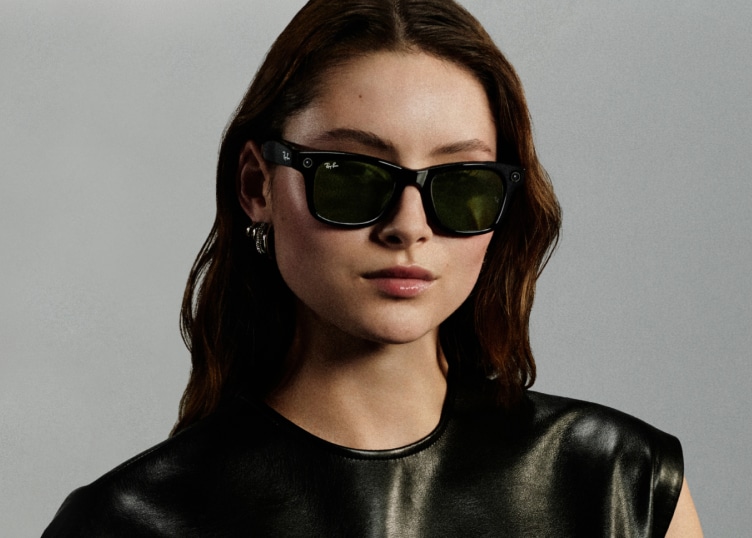
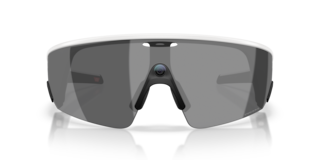


Picking a transition lens color used to be simple: gray or brown. Now there is more to choose from. Transitions GEN S is the current everyday lens, and it comes in eight colors, from classic gray to a brand-new ruby. [1] That makes the color two choices in one. One is the shade your lenses turn in the sun. The other is the look they give your face. This guide walks you through the full set, and how to match a color to you.
The two questions your color choice answers
Before you fall for a shade, it helps to know what the color controls. A transition lens color is really two choices at once. The first is the tint you see outdoors. Every Transitions lens is clear inside and turns colored once the sun hits it. [1] The second is the look, or how the frame reads on your face when the lens goes dark. Transitions GEN S covers both across eight transition lens colors. Each one is made to stay true to tone, so the shade looks right in any light. [1] That is why the same lens can feel sporty in graphite green and dressy in amethyst.
The eight transition lens colors, grouped
Transitions GEN S comes in eight colors, and they fall into two groups. The three classic tints are gray, brown and graphite green. These are the sunglass shades most people already picture, and gray, brown and green are the colors photochromic (light-responsive) lenses have traditionally come in. [4] The style colors are where the range opens up: sapphire, amethyst, emerald, amber and the newest one, ruby. [1] All of them look clear inside. The color shows only once the sun brings it to life.
Here is the full palette at a glance, with the look each one leans toward.
| Color | Group | Pick it if you want |
|---|---|---|
| Gray | Classic | A neutral, true-color view that suits any frame |
| Brown | Classic | A warmer, softer tone outdoors |
| Graphite green | Classic | A smoky, quiet take on a dark tint |
| Sapphire | Style | A cool blue statement |
| Amethyst | Style | A dressy purple accent |
| Emerald | Style | A rich green with a modern edge |
| Amber | Style | A vintage, golden warmth |
| Ruby | Style | A bold red-toned finish, the newest option |
You may also like
What the tint does once you step outside
Walk into daylight and the lens reacts to UV light, going from clear to a full tint in seconds. [4] With Transitions GEN S, the gray lens reaches sunglass-level darkness, known as category 3, in about 25 seconds. It then fades back to clear in under 2 minutes. [2] Transitions calls it the fastest lens of its kind in the clear-to-dark class. [2] One point is worth knowing before you fix on a color. Those speed and darkness figures are tested on the gray lens. They shift a little with the color you pick, the lens material and the heat. [2] Whatever color you choose, the lens still filters 100% of UVA and UVB rays as it works. [3] So the color is mostly about the view and the look, not your sun coverage.
Choosing your color by look
Think about the frame the lens is going into. A color that pops on a bold acetate Ray-Ban can look busy on a thin metal Oakley, so let the frame lead. For an everyday pair you want to wear with anything, the three classics are the safe bet. Gray in particular slips into any frame and keeps colors looking natural. [4] If you treat eyewear as an accessory, the style colors are your room to play. Amethyst and sapphire add a cool pop, while amber and the new ruby bring warmth to the face. Skin tone helps too. Warmer skin tones often suit amber and brown, cooler ones sapphire and amethyst. Because Transitions colors are made to stay true to tone, the shade you choose is the shade you get. [1]
Choosing your color by how you spend your day
If you want one easy pair for the commute, errands and the office, gray is the proven all-rounder. It is neutral enough that nothing about the view feels off. Would you rather have a warmer, softer picture, the kind that takes the edge off a bright, cloudy day? Brown and amber lean that way. Graphite green sits in the middle, a dark tint with a quieter feel.
This is where color stops being the real question. If you need lenses that go very dark, or that darken at the wheel, the choice shifts from palette to lens type. Standard photochromic lenses stay lighter in the car, because the windshield blocks most of the UV that sets them off. Transitions XTRActive is built to darken in the car and to go deeper in bright heat. [5] And if your days run on strong, steady sun, a dedicated pair of polarized prescription sunglasses still beats any everyday transition lens.
How to pick your transition lens color
Here is a simple way to land on the right color without second-guessing it.
- Pick the frame first. Choose the eyeglasses you love, then treat the lens color as the finishing touch.
- Decide how bold you want to look. Classic gray, brown or graphite green for a tint that goes with everything, or a style color like sapphire, amethyst, emerald, amber or ruby to make the eyewear part of your outfit.
- Match it to your light. Gray for true, neutral color, or brown and amber for a warmer view on bright days.
- Check your daily needs. If you drive a lot or want the darkest tint, look at XTRActive instead of a lighter everyday color. [5]
Once you have those four answers, every shade falls into place. Explore the full range on our transition lenses page, and find the color that fits your face and your day.
Sources
[1] Transitions Optical — Transitions GEN S is available in eight exclusive colors, including the brand-new Ruby, with all colors made to be true to tone, fully clear indoors and colored outdoors (trade.transitions.com).
[2] Transitions Optical — Transitions GEN S gray lenses reach category 3 darkness in about 25 seconds and fade back in under 2 minutes, the fastest in the clear-to-dark photochromic category; figures are tested on gray lenses and vary by color, material and temperature (trade.transitions.com).
[3] Transitions Optical — Transitions GEN S lenses filter 100% of UVA and UVB rays (trade.transitions.com).
[4] AllAboutVision — photochromic lenses (also called light-adaptive or variable-tint lenses) commonly come in gray, brown and green, darken on exposure to UV light, and in driving-specific versions can enhance contrast in a vehicle (allaboutvision.com).
[5] Transitions Optical — Transitions XTRActive is the darkest photochromic lens in the car and reaches a category 3 level of darkness in hot temperatures (transitions.com).


If you think you need new glasses, you may be right. Timing typically depends on changes in your vision, eye health, lifestyle, or style preferences. Increased wear and tear on your frames and lenses can also result in the need for a new pair.
The best way to know it’s time for new glasses is to see your eye doctor each year for a comprehensive eye exam . They’ll check your vision and eye health and ensure your vision prescription is up to date. If you experience any symptoms or issues between routine exams, don’t hesitate to schedule an earlier appointment — they could indicate other health issues.
Read on to learn some common signs that you may need new glasses.
Blurry Vision
You wear glasses to see clearly at various distances, such as for up close activities like looking at your phone, at arm’s length for working on a computer, or far away activities like driving. If your vision is blurry at any distance while wearing your glasses, it may be time for a new prescription.
Blurry vision can be caused by conditions such as:
- Nearsightedness (myopia) – Trouble seeing clearly far away
- Farsightedness (hyperopia) – Blurry vision up close
- Astigmatism – Blurry vision at all distances
- Presbyopia – Farsightedness that usually starts around age 40 and is a natural part of aging
Frequent Headaches
Headaches can also be a sign that you need new glasses. An expired prescription can give you a headache because your eyes have to work harder so you can see clearly.
Headaches also can be caused by other vision problems like eye strain.
Squinting
If you’re squinting to bring things into focus while wearing your glasses, your prescription may need some fine-tuning
Frequent squinting can cause headaches. It can even make age-related wrinkles around your eyes and forehead appear more quickly.
Double Vision
Double vision, also called diplopia, can result when the eyes are not correctly aligned. It can also be a sign of other serious eye or health problems.
Double vision caused by misaligned eyes can often be treated with glasses. Your eye doctor may be able to prescribe prism correction in the lenses, which can bend and redirect light before it reaches the eye. This focuses light on the right spot on the retina so you see one image from both eyes instead of two.
You may also like
Light Sensitivity
Light sensitivity, also called photophobia, is when exposure to bright light can feel uncomfortable or even painful.
Astigmatism is one reason your eyes might be sensitive to light and could be a sign that you need a new glasses prescription.
It often takes the eyes longer to adjust from light to dark environments and vice versa as people age. If this is true for you, consider Transitions lenses. They automatically darken when exposed to bright light and fade back to clear indoors to make this transition more comfortable for your eyes
Poor Night Vision
Poor night vision can arise from several different causes. For example, seeing halos around lights could indicate astigmatism, which might suggest the need for a new glasses prescription. It’s also common to have trouble seeing at night as you age.
Glasses with anti-reflective lenses can help you see better at night. These lenses help prevent glare and reflections from reaching your eyes. They can also reduce starbursts, halos, and other visual distractions for safer night driving.
Overdue for an Eye Exam
If it’s been more than a year since you had an eye exam, consider making an appointment with your eye doctor.
Your vision can change over time, and regular eye exams are essential to monitor these changes and ensure your prescription is up to date. During your exam, your eye doctor will test your vision and look for eye health problems.
Eye care professionals generally recommend getting an eye exam once per year. You may need to go more often based on your age, medical history, and if you wear glasses or contact lenses. Your eye doctor can help determine how often you need new glasses based on any changes in your eye prescription.
Lens and/or Frame Damage
Regular wear can damage your lenses and frames in the following ways:
- Lenses can get scratched and the coating can be damaged. This can make them hard to clean and to see through clearly.
- Frames can become bent, broken, loose, or worn out. It’s hard to see comfortably if your frame doesn’t fit you well.
A New Job
You might need new glasses for a new job. For example, if you’ll be using a computer for several hours a day, you might want anti-reflective lenses to help keep your eyes comfortable.
If you’ll be spending a lot of time outside, consider prescription sunglasses with polarized lenses . These lenses reduce glare from the sun to enhance your visual comfort outdoors.
Lens Upgrade
Eyeglass lenses continually advance to give wearers the best possible vision. New lenses may be able to help you see more clearly and comfortably.
Style Update
It’s not necessary to have a new prescription or damaged glasses to get a new pair. Treat yourself to those designer frames you’ve had your eye on or invest in higher-quality lenses. New eyeglasses can improve your vision and give your self-confidence a boost.
When it comes to style, there are no rules around how often you should get new glasses. You can switch up your look with new frames as often as you change your outfits if you prefer!
If it’s time for new glasses, we’ve got you covered. We have an extensive selection of frames and lenses to help you see clearly and look great.